
The short answer is no, you don't legally need Gap Insurance. However, depending on the age of your car, how you paid for it and how much it could depreciate, having a policy could save you thousands of pounds if your vehicle is written off or stolen.
Before we can properly answer the question, "Do I need Gap Insurance?", it's important to understand what Gap Insurance actually is, how it works and when it's worth considering.
What is Gap Insurance?
GAP stands for Guaranteed Asset Protection. It's a type of insurance designed to protect new and used car owners against the financial loss caused by vehicle depreciation if their car is written off or stolen and not recovered.
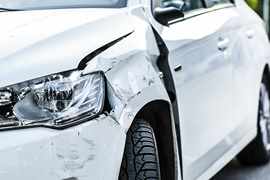
When a vehicle is declared a total loss, your comprehensive motor insurer will normally pay its market value at the time of the claim, rather than the amount you originally paid for it.
As most cars lose value over time, this can leave a considerable difference between your insurance settlement and what you originally paid for the vehicle.
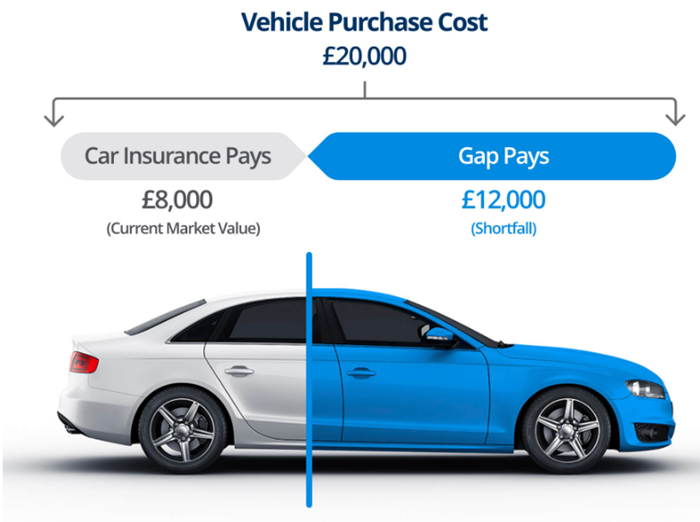
For example, let's say you purchased a car for £20,000.
Two years later, your car is stolen and isn't recovered. By this point, its market value has fallen to £8,000.
Your motor insurance company agrees to pay you £8,000, leaving you £12,000 short of the original purchase price.
If you had a suitable Return to Invoice Gap Insurance policy (other policy types are available), it could cover that £12,000 difference, subject to the policy terms and claim limits.
Without Gap Insurance, you would have to accept the £8,000 motor insurance settlement.
This is why Gap Insurance can be particularly useful for vehicles that depreciate quickly or those purchased using finance.
Of course, not everybody needs it. The important thing is to consider how much money you could potentially lose and whether you're comfortable taking that risk.
Do I Need Gap Insurance if I Purchase My Car on Finance?
It's certainly worth seriously considering Gap Insurance if you've purchased your vehicle using finance, particularly through a Personal Contract Purchase (PCP) or Hire Purchase (HP) agreement.
The reason is simple. If your car is written off or stolen, the amount your motor insurer pays might not be enough to clear your outstanding finance.
For example, imagine you still owe £15,000 on your finance agreement, but your car is now only worth £11,000.
If your motor insurer declares the vehicle a total loss and pays £11,000, you could be left owing the finance company £4,000.
That's £4,000 you'll need to find for a car you can no longer drive.
A suitable Gap Insurance policy could cover this shortfall.
However, it's worth understanding that not everyone with a finance agreement will face this problem.
If you've paid a substantial deposit or have already repaid a large proportion of your finance, your outstanding balance could be lower than your vehicle's market value.
In this situation, there may be no finance shortfall for Gap Insurance to cover.
What about PCP finance?
With PCP, your monthly repayments are generally lower because a significant proportion of the vehicle's value is deferred until the end of the agreement.
This means you could owe more than the car is worth at certain points during your contract, particularly if you paid a relatively small deposit.
It's also important to remember that standard motor insurance doesn't automatically settle your entire PCP agreement if the car is written off.
For this reason, it's worth checking your outstanding finance balance against the current value of your vehicle.
You may also want to consider Return to Invoice or Vehicle Replacement Gap Insurance, which can provide broader protection than simply covering a finance shortfall.
How Long Does a Gap Insurance Policy Cover Me?
Unlike standard car insurance, which is typically purchased and renewed every 12 months, Gap Insurance is usually bought as a single policy covering several years.
Depending on the provider, policy type and vehicle eligibility, cover may be available for between one and five years, with most of our cover available between two and four years..
This means you can choose a policy length that matches your finance agreement or the amount of time you expect to keep your car.
For example, if you've purchased a vehicle on a four-year PCP agreement, you may want to consider a four-year Gap Insurance policy.
However, a longer policy isn't automatically better.
If you're planning to change your car after two years, paying for five years of cover might not be necessary.
It's also worth checking whether your existing comprehensive motor insurance includes new-car replacement cover.
Some motor insurers will replace a new vehicle with an equivalent new car if it's written off within the first 12 months, subject to certain conditions.
If your motor insurance already provides this protection, you may not need Gap Insurance during that initial period.
Some Gap Insurance providers offer a deferred start date to account for this, so it's worth checking before purchasing.
What Are the Different Types of Gap Insurance Cover?
There are several types of Gap Insurance available, and the right one will depend on how you've purchased your car and the level of protection you want.
The three main options are:
1. Finance, Lease or Contract Hire Gap Insurance
This type of cover is designed to protect against a financial shortfall if your vehicle is written off or stolen.
For leased vehicles, a suitable Lease or Contract Hire Gap Insurance policy can cover the difference between your motor insurer's settlement and the amount required to settle the lease agreement, subject to the policy terms.
It's particularly worth considering if you lease your vehicle through Personal Contract Hire (PCH), as you don't own the car but could still be responsible for an outstanding balance following a total loss.
Be aware that Lease Gap Insurance is different from cover intended for PCP or HP agreements, so make sure you choose the appropriate policy.
You can read more in our guide to whether you need Gap Insurance on a lease car.
2. Return to Invoice Gap Insurance
Sometimes referred to as 'Back to Invoice' Gap Insurance, this policy is designed to cover the difference between your motor insurer's settlement and the original purchase price of your vehicle.
For example, if you bought a car for £25,000 and your motor insurer paid £16,000 following a total loss, a suitable Return to Invoice policy could pay the £9,000 difference.
Return to Invoice Gap Insurance can be particularly useful for new and nearly-new vehicles, although eligible used cars can also be covered.
It can also be suitable for vehicles purchased through finance.
3. Vehicle Replacement Gap Insurance
Vehicle Replacement Gap Insurance generally offers a broader level of protection.
Rather than simply covering the difference between your motor insurer's settlement and the price you originally paid, it can cover the difference between the settlement and the cost of a replacement vehicle matching the original specification, subject to the policy wording.
This can be particularly beneficial if the cost of replacing your vehicle has increased since you bought it.
For example, you might have paid £25,000 for your car, but an equivalent replacement now costs £28,000.
A suitable Vehicle Replacement policy could take that higher replacement cost into account.
As a result, Vehicle Replacement Gap Insurance may cost more than other types of cover, but it can offer additional protection.
You can compare the different options and find out which Gap Insurance policy is right for you.
Do I Need Gap Insurance for a Used Car?
Gap Insurance protects against the financial effects of depreciation, and while it's true that used cars generally depreciate more slowly than brand-new cars, they can still lose a considerable amount of value.
A new car will usually experience its fastest depreciation during the first few years of ownership.
According to the AA's guidance on car depreciation, a vehicle's age, mileage and condition can all affect how much value it loses.
If you purchase a nearly-new car, particularly one that's less than four years old, you're still buying it during a period when depreciation can be significant.
For this reason, you may want to seriously consider Gap Insurance.
However, depreciation doesn't stop when a car reaches a certain age.
If your vehicle is older than three or four years but you're covering a high annual mileage, its value could continue to fall.
So, rather than simply asking, "Do I need Gap Insurance for a used car?", it's more useful to consider the following:
- How old is the used car?
- How much did I pay for it?
- How long do I plan on keeping it?
- How much mileage will I cover?
- Did I purchase it using finance?
- Could I comfortably afford to replace it if it was written off?
It's worth remembering that older cars have generally already experienced much of their depreciation.
By the time a vehicle reaches seven or eight years old, its value may have become more stable, although this will depend on the make, model, condition and mileage.
For an older car purchased outright at a relatively low price, Gap Insurance may not offer the same benefit as it would for a newer, more expensive vehicle.
However, if you've recently spent a substantial amount on a used car, it's still worth considering how much you could lose if it were written off.
When Is Gap Insurance Worth Having?
Although Gap Insurance isn't essential for every driver, there are certain situations where it may be particularly worthwhile.
You've purchased a brand-new or nearly-new car.
Newer vehicles can lose a significant amount of their value during the first few years. If your car is written off during this period, the difference between its market value and what you paid could be substantial.
You've bought your vehicle using PCP or HP finance.
Depending on your deposit and repayment schedule, you could owe more on your finance agreement than your vehicle is worth.
You've paid a large amount for your vehicle.
The more expensive the car, the greater the potential financial loss from depreciation. However, you should also check the maximum claim limits and eligibility requirements of any policy you're considering.
You've leased your vehicle.
If your leased car is declared a total loss, you may still have a financial liability to the leasing company. A suitable Lease Gap Insurance policy could help protect you against this.
You couldn't comfortably cover the difference yourself.
Perhaps the most important consideration is whether you could afford the financial consequences of a total loss.
If losing several thousand pounds would put pressure on your finances, Gap Insurance may be worth considering.
When Might I Not Need Gap Insurance?
There are also situations where purchasing Gap Insurance might not make financial sense.
For example:
- Your car is older and has a relatively low value. If most of the depreciation has already occurred, the potential benefit of a policy may be limited.
- You've paid cash and have sufficient savings. If you could comfortably afford the financial loss yourself, you may decide that additional insurance isn't necessary.
- Your outstanding finance is less than the vehicle's market value. If you're only concerned about clearing the finance agreement, there may be little or no shortfall to protect against.
- Your motor insurer already provides new-car replacement cover. Depending on the terms of your policy, you might already have suitable protection during the first year.
- The potential payout is relatively small compared with the policy cost. It's worth weighing up how much you could realistically claim against the amount you'd pay for cover.
This doesn't mean Gap Insurance is unnecessary in every one of these circumstances.
For example, someone who paid cash for a £35,000 vehicle could still benefit from Return to Invoice or Vehicle Replacement Gap Insurance.
The key is to consider your own circumstances rather than assuming every car owner needs the same protection.
What Doesn't Gap Insurance Cover?
Before buying Gap Insurance, it's important to understand what your policy does and doesn't cover.
Gap Insurance is designed to work alongside your motor insurance, not replace it.
Generally, you won't be able to make a Gap Insurance claim unless your motor insurer has accepted the vehicle as a total loss.
Depending on the policy, exclusions or limitations may include:
- Mechanical breakdowns and ordinary repair costs.
- Vehicles or uses that don't meet the policy's eligibility requirements.
- Certain outstanding finance charges, arrears or additional products included in your finance agreement.
- Claims that exceed the policy's maximum payout.
- Circumstances where your motor insurer refuses a valid total loss settlement under its own policy terms.
It's also worth checking how your policy treats motor insurance excesses, optional extras and any deposit you paid when purchasing the vehicle.
Not all Gap Insurance policies offer exactly the same protection.
Before taking out cover, read the policy wording and Insurance Product Information Document so you know what you're buying.
The Financial Ombudsman Service's guidance on GAP Insurance also explains some of the common issues consumers experience when buying or claiming on these policies.
Is Gap Insurance Worth the Money?
Whether Gap Insurance is worth the money depends on the cost of the policy, the value of your car and the potential financial loss you're looking to protect against.
It's important to remember that Gap Insurance isn't an investment. You may never need to claim, and that's hopefully how things will turn out.
However, if your vehicle is stolen or written off, having the right cover in place could make a considerable financial difference.
For example, if a suitable policy costs a few hundred pounds over several years but protects against a potential shortfall of several thousand pounds, you may feel the cost is worthwhile.
On the other hand, if your car is already worth relatively little and you could comfortably cover the potential loss yourself, the additional expense might be harder to justify.
It's also worth comparing policies rather than simply accepting the Gap Insurance offered by a dealership.
The important thing is to compare the cost, level of cover, exclusions and claim limits before making your decision.
So, Do I Actually Need Gap Insurance? Is Gap Insurance Unnecessary?
Unlike motor insurance, Gap Insurance isn't a legal requirement in the UK.
You don't have to purchase it when buying a new car, arranging finance or taking out a lease agreement.
However, that doesn't mean it's unnecessary.
For new car owners, nearly-new car owners and drivers with substantial outstanding finance, Gap Insurance can provide valuable protection against depreciation and the financial consequences of a total loss.
For owners of older, lower-value vehicles, the potential benefit may be smaller, particularly if most of the depreciation has already occurred.
It's also worth remembering that two people driving exactly the same car might have very different reasons for purchasing Gap Insurance.
One might have bought the vehicle outright and be comfortable accepting the potential loss.
The other might have purchased it using PCP finance and be concerned about having to repay thousands of pounds if the vehicle is written off.
Ultimately, the decision comes down to how much you could lose, how much protection you already have and whether the cost of Gap Insurance is worthwhile for you.
Frequently Asked Questions About Gap Insurance
Is Gap Insurance compulsory in the UK?
No. Gap Insurance is entirely optional and isn't a legal requirement in the UK.
However, depending on your circumstances, it can provide useful financial protection if your car is written off or stolen.
Do I need Gap Insurance if I have fully comprehensive car insurance?
Not necessarily, but having comprehensive motor insurance doesn't automatically make Gap Insurance unnecessary.
Comprehensive motor insurance will generally pay the market value of your car following an accepted total loss claim.
Gap Insurance can cover an eligible shortfall between that settlement and your vehicle's original purchase price, replacement cost or outstanding finance balance, depending on the policy.
Do I need Gap Insurance if I paid cash for my car?
You don't need Gap Insurance to protect an outstanding finance agreement if you've paid cash.
However, you could still benefit from Return to Invoice or Vehicle Replacement Gap Insurance if your car loses value and is subsequently written off.
Do I need Gap Insurance on a brand-new car?
It's worth considering, particularly because new cars can depreciate quickly.
However, check your comprehensive motor insurance first. Some policies include new-car replacement cover during the first 12 months, which could reduce the need for Gap Insurance during that period.
Can I buy Gap Insurance after purchasing my car?
Yes, you may be able to purchase Gap Insurance after buying your vehicle.
However, providers have different eligibility requirements, including restrictions on how long ago the vehicle was purchased. Typically, these timeframe is around 180 days.
It's therefore worth checking the terms and purchasing window rather than assuming you can take out cover at any time.
Can I buy Gap Insurance separately from the dealership?
Yes. You don't have to purchase Gap Insurance from the dealership where you bought your car.
You can compare policies and purchase cover from an independent specialist such as Direct Gap.
Still Unsure if You Need Gap Insurance?
Hopefully, after reading this article, you've got a better idea of whether Gap Insurance is right for you.
The most important thing is to think about your vehicle's value, how you paid for it and how much you could potentially lose if it were stolen or written off.
If you're still unsure, our friendly, UK-based Direct Gap customer service team will be happy to help.
We can explain the different types of cover, answer any questions you might have and help you decide whether a policy is suitable for your circumstances.
Alternatively, you can explore our Gap Insurance policies and get a quote to see what cover is available for your vehicle.