
PCP + Tyre & Alloy Insurance, A Waste Of Money Or A Match Made In Heaven?
There’s a moment that many PCP drivers know all too well.
You return to your car after a trip to the supermarket and spot a fresh scuff across one alloy wheel. A few weeks later, a pothole leaves a tyre damaged beyond repair. Neither incident feels major, but both come with a cost.
Modern vehicles are fitted with increasingly large alloy wheels, lower-profile tyres, and expensive manufacturer-approved replacements. Even relatively minor damage can lead to repair bills that are larger than many drivers expect.
That’s one reason tyre and alloy wheel insurance has become a common add-on when buying a car on Personal Contract Purchase (PCP) finance.
But is it actually suitable for PCP vehicles? Is it worthwhile, or just another optional extra that most people could do without?
The answer depends on several factors, including the car you drive, your budget, and how concerned you are about unexpected repair costs.
Understanding PCP And Why Vehicle Condition Matters
Before looking at the insurance itself, it helps to understand why wheel and tyre damage can often become a bigger issue with PCP agreements than with outright ownership.
When you take out a PCP agreement, the finance company remains the legal owner of the vehicle until you've either settled the agreement in full or made the optional final payment.
Throughout the contract, you're responsible for maintaining the vehicle and returning it in acceptable condition if you decide not to purchase it at the end of the contract.
That means damage isn't simply a cosmetic issue.
Significant wheel damage, worn tyres, or unrepaired defects could potentially result in charges when the vehicle is inspected at the end of the agreement.
The British Vehicle Rental and Leasing Association (BVRLA) publishes widely recognised fair wear and tear standards that many finance providers use as a benchmark when assessing returned vehicles.
While PCP agreements aren't identical to leasing contracts, the principle is similar: excessive damage can become expensive.
Read More: How To Prepare Your Car For PCP End-Of-Term Inspection.
What Is Tyre and Alloy Wheel Insurance?
Tyre and alloy wheel insurance is designed to cover the cost of repairing or replacing tyres and alloy wheels that have been accidentally damaged during everyday driving.
Policies vary, but cover often includes:
- Punctured tyres that cannot be repaired
- Sidewall damage
- Impact damage caused by potholes
- Cracked alloy wheels
- Alloy wheel scuffs and scratches
- Cosmetic alloy refurbishment
- Wheel balancing and valve replacement
Some policies cover tyres only, some provide just alloy wheel cover, and others combine the two in a single product.
The exact level of cover depends on the insurer and policy wording, so it's important not to assume every product offers the same protection.
Top tip: Look for providers (like us) who offer a national repair network, that way, you’re not struggling to find somewhere to replace or repair your wheels!
Why Are PCP Drivers Often Offered This Cover?
The reason is fairly straightforward. PCP customers tend to drive newer vehicles fitted with larger wheels and more expensive tyres.
Over the past decade, alloy wheel sizes have steadily increased across the market. What was once reserved for performance cars is now common on family hatchbacks and SUVs.
A 19-inch or 20-inch alloy wheel can cost significantly more to repair or replace than the smaller wheels fitted to older vehicles.
The same applies to tyres.
Premium brands such as Michelin, Continental, Pirelli, and Bridgestone can easily cost hundreds of pounds per corner on larger vehicles.
Tyre testing and pricing data published by Tyre Reviews suggest that replacement costs for larger premium tyres continue to rise as wheel sizes increase across the market.
For PCP drivers looking to keep monthly motoring costs predictable, insurance against unexpected tyre and wheel bills can seem attractive.
Of course, when you buy your car from a dealership, they’re almost certainly making extra commission on add-on products, too, so keep in mind that it pays to shop around.
Read More: Steps To Take Before The End Of Your PCP Agreement.
How Common Is Alloy Wheel Damage?
More common than many motorists would like to admit. Even careful drivers occasionally misjudge a kerb.
Add in narrow parking spaces, multi-storey car parks, potholes, and poorly maintained road surfaces, and it's easy to see why alloy damage is so widespread.
While some damage is purely cosmetic, other incidents can leave wheels cracked or structurally weakened.
A Rise In Pothole Damage
Claims from pothole damage have risen 90% over the last few years, highlighting their impact on vehicle maintenance costs, with tyres, suspension components, and wheels among the most frequently affected areas.
Potholes are one of the strongest arguments in favour of tyre and alloy insurance.
A severe impact can cause:
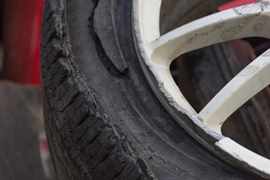
- Tyre sidewall bulges
- Immediate punctures
- Bent alloy wheels
- Cracked alloys
- Wheel alignment issues
Many modern cars use low-profile tyres, which improve handling and appearance but offer less cushioning between the wheel and the road surface.
As a result, impacts that might once have caused little more than a bump can now lead to costly repairs.
This is particularly relevant for PCP vehicles because newer cars often feature larger wheels as standard. And, as we’ve already mentioned, the GMFV (Guaranteed Minimum Future Value) of your car is based on it being returned in a reasonable state, any serious wheel damage can affect this.
In rare cases, you can claim for pothole damage, however, this is becoming increasingly difficult.
Is This Damage Covered By Standard Car Insurance?
Sometimes, but not always in a practical way.
Motor insurance may cover certain forms of accidental damage, but making a claim for a damaged wheel or tyre is often unattractive because:
- You may need to pay an excess
- Future premiums could be affected
- The repair cost may be lower than the excess itself
For example, if a wheel refurbishment costs £120 and your insurance excess is £300, making a claim wouldn't make much sense.
Tyre and alloy insurance is designed specifically for these smaller but more frequent incidents. It's intended to sit alongside motor insurance rather than replace it.
When Tyre And Alloy Insurance Makes Sense
For some PCP drivers, the cover can offer genuine value.
You may find it worthwhile if:
- Your vehicle has large alloy wheels
- Replacement tyres are expensive
- You regularly drive on poor-quality roads
- You cover high annual mileage
- You frequently park in urban areas
- Unexpected repair bills would be difficult to absorb
Drivers of premium brands often fall into this category.
A single damaged alloy wheel on a prestige vehicle can sometimes cost several hundred pounds to repair or replace. Add a premium tyre, and one incident could easily exceed the cost of the policy itself.
What’s more, many drivers opt for cover simply for peace of mind, as we’ve said many times; whilst the end of term inspection is usually nothing to worry about, it can make some drivers nervous. That extra insurance helps alleviate some worry.
Don't Focus Solely On The Premium
One mistake people make is looking only at the policy price. The better question is usually: what would a claim actually save me?
Before deciding, consider:
- How much a replacement tyre would cost
- The average cost of alloy refurbishment
- Claim limits
- Maximum number of claims allowed
- Policy exclusions
- Repair network requirements
A policy that appears inexpensive may offer limited protection if claim limits are particularly low.
Reading the policy wording carefully matters far more than comparing premiums alone.
Could Tyre And Alloy Damage Affect Your PCP Return?
Potentially, yes. If you choose to hand the vehicle back at the end of the PCP agreement rather than purchase it, the vehicle's condition will be assessed.
Tyres below legal requirements must be replaced. Similarly, excessive wheel damage may result in refurbishment or replacement charges.
Minor wear is often acceptable, but significant damage generally isn't.
That's one reason many PCP drivers choose to repair wheel damage before the vehicle reaches its end-of-contract inspection.
Read More: Should You Buy, Return Or Upgrade At The End Of Your PCP Deal?
The Growing Cost Of Modern Wheels And Tyres
One reason tyre and alloy insurance continues to attract attention is that wheel and tyre costs have increased significantly in recent years.
Many newer vehicles now come fitted with:
- Larger diameter alloys
- Run-flat tyres
- Performance tyre compounds
- Specialist EV tyres
- Manufacturer-specific tyre specifications
Electric vehicles have contributed to this trend as well, as EVs are typically heavier than equivalent petrol or diesel models; they often use specialised tyres designed to handle additional weight and torque.
The result is that replacement costs can be considerably higher than many drivers anticipate.
Our Final Word
Tyre and alloy insurance isn't essential for every PCP customer, but for others, particularly those driving vehicles with large alloy wheels, premium tyres, or high annual mileage, the protection can provide useful peace of mind and help avoid unexpected repair bills.
The key is to view the policy in the context of your own vehicle and driving habits. If replacing a damaged tyre or refurbishing an alloy wheel would be little more than an inconvenience, you may be comfortable without cover.
If those costs come as an unwelcome surprise, tyre and alloy insurance could be worth considering.
As with any protection product, suitability isn't about whether the cover exists. It's about whether the risks it addresses are risks that genuinely matter to you.
Pin it!