
To many drivers, tyres and alloy wheels are the same thing, yet the insurance designed to protect them solves two different problems. A damaged tyre can leave you stranded and facing an immediate replacement bill. A scraped alloy may be perfectly drivable but irritatingly visible, and potentially expensive when the car is sold or handed back.
That distinct difference can be important. Tyre insurance is usually the stronger choice for drivers worried about sudden, safety-critical costs. Alloy wheel insurance is often better for motorists whose wheels are especially vulnerable to cosmetic damage. Where both risks overlap, typically on newer cars with large alloys and low-profile or premium tyres, combined tyre and alloy wheel insurance can offer the more complete solution.
The Quick Verdict
Choose tyre insurance if your car uses expensive, low-profile, run-flat or specialist tyres; you cover a high annual mileage; or an unexpected replacement would cause genuine financial difficulty.
Choose alloy wheel insurance if you regularly park close to kerbs, drive mainly in towns, have diamond-cut or large wheels, or want to protect the condition and resale or handback value of a newer car.
Choose combined cover when your car has both costly tyres and vulnerable alloys, and the combined premium is meaningfully lower than buying equivalent protection separately.
What Does Tyre Insurance Cover?
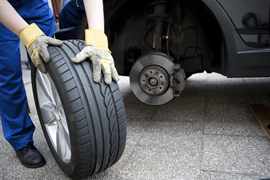
Tyre insurance is designed for accidental or malicious damage rather than routine deterioration. Depending on the policy, that can include punctures, cuts, sidewall damage, blowouts and impacts caused by potholes or road debris. It may pay for a repair where one is safe, or contribute towards replacement where it’s not.
The important phrase is accidental damage. Tyres are consumable items, so ordinary tread wear is not covered. Damage linked to poor maintenance, incorrect pressures, alignment problems or an already-illegal tyre will also most likely be excluded.
This is where many drivers misunderstand the product. Tyre insurance is not a maintenance plan. It protects against the unplanned event: the screw through a nearly new tyre, the pothole that creates a sidewall bulge, or the impact that makes an otherwise serviceable tyre unsafe.
Punctures in the central three-quarters of the tread may sometimes be repaired, but sidewall damage cannot. Potholes and kerb impacts can damage both the tyre sidewall and wheel rim, sometimes without the full extent being immediately obvious.
What Does Alloy Wheel Insurance Cover?
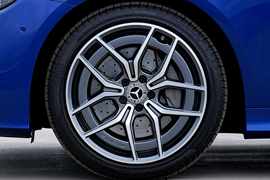
Alloy wheel insurance normally focuses on accidental cosmetic damage: kerb scuffs, scrapes and damage to the painted or machined finish. Some policies also contribute towards replacement if a wheel cannot be cosmetically repaired, although limits vary.
That makes alloy wheel cover a different proposition. A shallow kerb scrape may have little effect on how the car drives, but it can still cost real money to put right and can make an otherwise well-kept car look neglected.
More serious impacts need mechanical attention, not merely refurbishment. A bent, cracked or buckled wheel can affect the tyre seal, balance and alignment. Auto Trader’s repair experts advise professional assessment where there are deep gouges, cracks or severe bends, with replacement sometimes safer than repair.
A common misconception is that alloy wheel insurance is only for drivers who are precious about appearances. Yet wheel condition can influence resale negotiations and vehicle-return charges. In Auto Trader’s 2025 survey of more than 1,000 UK motorists, 64% said severely scraped alloys would make them reconsider buying a car, while 34% would expect £250 to £500 off the price.
What Does Tyre Replacement Cost?
Checkatrade’s June 2026 UK guide puts a typical tyre change at roughly £45 to £120 for most cars, with many motorists paying about £100 for a mid-range tyre, plus around £10 for balancing. Larger, high-performance and premium tyres can cost considerably more.
This is why tyre size matters more than the badge on the bonnet. A family hatchback on a common 16-inch tyre may be relatively inexpensive to put right. The same incident on a performance car, large SUV or EV with wide, high-load or manufacturer-specific tyres can produce a much larger bill.
There is also a timing problem. A tyre damaged halfway through its useful life may still need immediate replacement. Insurance value therefore depends not only on the price of one tyre, but on how disruptive an unexpected bill would be.
What Does Alloy Wheel Repair Cost?
The RAC reports a typical refurbishment cost of around £80 to £130 per wheel. Diamond-cut alloys are usually more expensive because the finish requires specialist machining; the RAC says prices can start at about £150 for smaller wheels, with a full set potentially exceeding £1,000 in some cases.
Other available data gives an average alloy-wheel refurbishment price of about £119.57, while mobile repairs average approximately £67.33.
Wheel size, finish, colour matching, tyre removal and straightening can all affect the price. Alloy cover becomes more persuasive when several wheels are at risk over the policy term. One small scuff may cost less to repair privately than the premium; two or three professional refurbishments can change the arithmetic quickly.
Why Potholes Strengthen The Case For Tyre Cover
Potholes do not politely choose between rubber and metal. The same impact can puncture or weaken a tyre, buckle a wheel and disturb the car’s alignment.
There were over 600,000 pothole-related callouts in 2025, an average of 1,681 every day, with an average repair cost of £350 per incident, covering the typical mixture of damaged tyres, wheels, steering and suspension.
Government figures show that in England, 5% of surveyed local A-road sections were classed as “red” in 2025, meaning they should have been considered for maintenance. The equivalent figure was 7% for B and C roads and 17% for unclassified roads. Unclassified roads account for roughly 62% of the local-authority network.
These figures do not mean every red section contains a tyre-destroying crater, but they do show that road-surface risk is neither rare nor confined to a few notorious streets.
Read More: The chances of getting compensation from your local authority are increasingly slim. However, it may help to read our guide: How To Claim For Pothole Damage.
Why Kerbs Strengthen The Case For Alloy Cover
Kerbs sit beside supermarket spaces, narrow residential streets and parallel-parking bays. A momentary misjudgement at walking pace can mark a wheel that survived thousands of motorway miles unscathed.
A UK study of 2,000 drivers commissioned by Škoda found that more than a third could be driving with damaged alloys, and more than half of those damaged wheels had been caused by kerb impacts. The research is from 2021, so its repair-cost estimate is dated, but the pattern remains useful: kerbing was the dominant reported cause.
We regularly find that drivers underestimate how much wheel design changes their exposure. Large alloys paired with shallow tyre sidewalls leave less rubber between the rim and the outside world. Intricate spoke patterns and diamond-cut faces also make a cheap, invisible repair less likely.
Wheel cover is therefore most compelling for drivers who already know their routine involves frequent kerbside parking and less compelling for someone with modest painted wheels, generous tyre sidewalls and a private driveway who would be content to live with a minor scuff.
Which Cover Suits Which Driver?
High-Mileage, Motorway Or Rural Driver: Tyre Insurance
More miles mean more exposure to debris, potholes and punctures. Tyre damage can also immobilise the vehicle, particularly where there is no full-size spare. Tyre insurance addresses the more disruptive risk.
Urban Driver Who Parks On-Street: Alloy Wheel Insurance
Frequent parallel parking, tight streets and high kerbs increase the likelihood of cosmetic damage. If the tyres are inexpensive, alloy cover may offer the more relevant protection.
Performance, Premium Or Large-SUV Owner: Usually Both
These cars often combine expensive tyres with large, complex or diamond-cut wheels. One pothole can damage both, while one kerb strike can mark the alloy and cut the tyre sidewall. Buying only one policy leaves an obvious gap.
It’s also worth noting that, these days, EVs tend to run on bigger wheels, with increasingly expensive tyres, so a combined policy should be considered too.
Lease Or PCP Driver: Alloy Or Combined Cover
Vehicle-return standards often distinguish between acceptable light wear and chargeable damage. AA Lease’s summary of fair wear and tear standards says light wheel scuffs may be accepted, but damaged tyre sidewalls, wheel spokes and dented rims are not. Contracts differ, so check your own agreement.
Read More: Is Tyre & Alloy Insurance Suitable For Cars Bought On PCP?
Low-Mileage Driver With Cheap Tyres And Basic Alloys: Possibly Neither
Insurance transfers risk; it does not guarantee a saving. A motorist who drives little, parks off-road and can comfortably absorb a modest repair may rationally choose to self-insure.
When Is Combined Tyre And Alloy Wheel Insurance Better Value?
Combined cover is strongest when three conditions apply:
- Both components are expensive. A £120 tyre beside a £150 diamond-cut wheel creates a different risk from a £55 tyre beside a simple painted alloy.
- The car is exposed to road and parking damage. Mixed urban and motorway driving, poor local surfaces and frequent kerbside parking all increase the case.
- The combined terms beat two separate policies. Compare policy length, claim numbers, per-claim limits, excesses, tyre restrictions, approved repairers and replacement contributions.
Many customers initially assume a combined policy is simply “double the cover”. It is better understood as removing the blind spot between two risks. A pothole may damage the tyre, the wheel or both; a kerb strike may scrape the alloy but can also cut the sidewall. Real-world damage does not always stay neatly within one category.
What Should You Check Before Buying?
Do not choose on the headline premium alone. Check whether the policy repairs, replaces or merely contributes; the maximum paid per claim; annual and total claim limits; excluded tyre or wheel types; minimum tread rules; waiting periods and excesses; and whether authorisation is required before work begins.
Those details aren’t necessarily reasons to reject the cover; they’re reasons to read the policy wording before deciding what “covered” means.
Tyre Insurance Vs Alloy Wheel Insurance: Our Final Word
If forced to choose one without knowing anything else about the driver, tyre insurance has the stronger practical case. Tyre damage is more likely to stop a journey, can create an immediate safety issue and may require replacement rather than a cheap repair. The argument becomes stronger with large, premium, low-profile or run-flat tyres.
Alloy wheel insurance is the better-targeted product for urban motorists, owners of pristine cars, drivers with expensive wheel finishes and anyone facing vehicle-return standards. Its value is driven less by breakdown risk and more by repeated cosmetic repairs and the cost of leaving visible damage unresolved.
However, drivers wanting complete protection against everyday wheel-related damage will usually be better served by a combined tyre and alloy wheel policy. That conclusion is not based on the products being equally important. It is based on modern wheel and tyre packages being increasingly expensive, Britain’s damaged roads being capable of affecting both in a single impact, and the boundary between “tyre damage” and “wheel damage” being far less tidy in real life than it appears on a comparison page.
We hope we've helped clear up a few grey areas when it comes to tyre and alloy insurance, whether that's one, the other, or both. If we have and you've found this article useful, share it with your friends! If you do still have some questions, drop Luke a message on our social media pages.
Pin It!