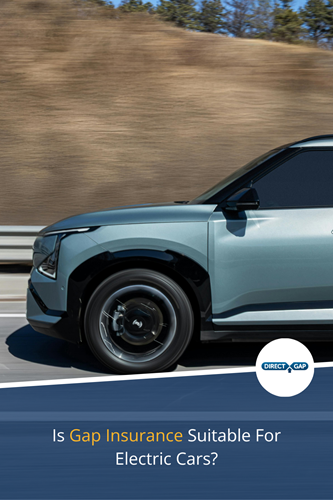

Unsure About Gap Insurance For Electric Cars? Here’s Everything You Need To Know
Despite the rapid rise of electric cars, which are now a firm contender on anyone's new car shortlist, there’s still some uncertainty around them, as they’re technically still the ‘newcomer’ on the UK car market.
With technology, pricing, demand and resale values changing by the day, it can be difficult to make some informed decisions. Making things a little less clear than in ‘traditional’ car markets, like petrol and diesel cars.
One of those grey areas is Gap Insurance.
Whilst its values are pretty well known, can they be applied to EVs? It’s worth understanding, not because Gap Insurance has changed, but because how electric cars depreciate and how they’re financed can be highly unfamiliar.
In this guide, we’re looking at Gap Insurance for electric vehicles, understanding how it can protect you as a driver, how it works and whether it’s worth it.
Do I Need Gap Insurance For An Electric Car?
EV Gap Insurance isn't a legal requirement for electric cars, and whether it's suitable will depend on how you bought or financed your EV, how quickly it loses value and whether you'd be comfortable covering any potential shortfall if the vehicle were written off.
It's worth considering if you've bought a new or nearly new EV, used PCP or HP finance, paid a relatively small deposit or would want to replace the vehicle with something similar following a total loss. It won't suit every EV driver though, so it's worth looking at your individual financial exposure before deciding.
What Does Gap Insurance Do?
If your car is written off, gap insurance pays the difference between your car insurer’s pay out (the ‘final settlement figure’) and what you originally paid for it, or what you still owe on finance.
There are a few types, but the most common options in the UK are:
- Return To Invoice: Tops you up to the original purchase price or finance amount.
- Lease & PCH Gap: Specifically for lease cars, covering the difference to outstanding finance.
- Vehicle Replacement: Pays the difference you need to replace the car with an equivalent.
What To Look For?
Gap insurance products are regulated by the Financial Conduct Authority (FCA), ensuring they are explained clearly, sold appropriately and with transparency.
If you decide to purchase gap insurance, be sure to use a company (like us) that’s either directly regulated by, or an appointed representative of a company regulated by the FCA.
EV Gap Insurance At A Glance
| Is Gap Insurance legally required for an EV? | No |
| Can you get Gap Insurance for an electric car? | Yes, subject to policy eligibility |
| Does standard car insurance usually pay what you originally paid? | Usually, a total-loss settlement is based on the vehicle's value at the time, subject to the motor policy |
| Can Gap Insurance cover financed EVs? | Yes, depending on the type of Gap policy and finance agreement |
| Can leased EVs be covered? | Lease/Contract Hire Gap may be suitable |
| Does Gap Insurance pay for EV battery repairs? | No – Gap Insurance responds to an eligible total loss rather than routine battery repair/replacement |
| Do all EV owners need Gap Insurance? | No |
Are EVs More Likely To Need Gap Insurance?
Electric cars depreciate differently from petrol and diesel cars. In many cases, they lose value earlier on, with a higher initial depreciation rate. Others, which have strong demand, can have a relatively stable residual value.
According to Auto Trader (and our own research: How Much Do Electric Cars Depreciate?), depreciation across the whole EV market has been particularly volatile due to a number of factors, such as:
- Rapid improvements in battery range are making older models less desirable.
- Frequent manufacturer price changes.
- Government incentives are starting and stopping.
That volatility can increase the financial shortfall (or ‘gap’) between any insurance payout and what you paid (or owe), essentially increasing the potential benefits of gap insurance.
As always, though, it’s not always as simple as ‘EVs depreciate faster’. Like petrol and diesel cars, results vary. Those with a strong range and brand demand tend to fare better.
Why EV Depreciation Matters
Like any vehicle, an electric car will usually lose value over time. However, EV values can be influenced by a number of factors, from changes in battery technology and driving range to manufacturer price reductions and the arrival of newer models. This can make it particularly important to understand how much your EV could be worth compared with what you originally paid or may still owe on finance.
For example, imagine you buy a new electric car for £40,000. Two years later, its market value has fallen to £25,000, but you still have £30,000 outstanding on your finance agreement. If the vehicle is written off and your comprehensive motor insurer settles the claim based on its value at the time, you could potentially be left with a financial shortfall.
Original purchase price: £40,000
EV market value after two years: £25,000
Outstanding finance: £30,000
Potential shortfall: £5,000
This is where an appropriate Gap Insurance policy could help.
Battery Concerns And Write-Offs
Although improvements in batteries and battery life have been quite significant, there’s still some scepticism, which can impact resale values and insurance write-off levels.
While batteries are designed to last many years, they can be expensive to repair or replace. In some cases, insurers may write a car off if the battery is damaged, regardless of whether the rest of the vehicle is intact.
This doesn’t mean EVs are fragile, but it does affect how insurers assess repair costs versus vehicle value, potentially increasing the write-off rate.
Thatcham Research has an in-depth piece on this.
Ultimately, the takeaway is simple: write-offs can happen in different scenarios to traditional cars, influencing whether gap insurance becomes useful.
Read More: EV Batteries | Everything You Need To Know.
Does Gap Insurance Cover EV Battery Replacement?
Gap Insurance isn't designed to pay for routine battery repairs or replacement. Instead, it can respond if an insured vehicle is declared a total loss and there's an eligible financial shortfall between the motor insurer's settlement and the amount covered by the Gap policy.
Gap Insurance doesn't pay for routine battery repairs or replacement. It's designed to cover any financial shortfall between your motor insurer's settlement figure and the amount you originally paid, or still owe on finance (depending on your policy), following a total loss.
This can occur (but isn't limited too) when your insurer deems repairs, often due to battery damage, too expensive or uneconomical.
Finance Matters (As Always)
Gap insurance is highly relevant for financed cars, and EV’s are often financed, with 42.5% bought on lease and many more bought on PCP.
Higher upfront costs are driving buyers to PCP in particular, with relatively low monthly payments and the final balloon payment, and, as you probably already know, that structure can increase the likelihood of negative equity, particularly in the first couple of years.
Especially relevant to electric cars, but applicable to all; if you’ve put down a small deposit and chosen a long-term agreement, the gap between what you owe and the car's worth can be wider, for longer.
Something gap insurance can protect against.
When Gap Insurance Might Make Sense For EV Drivers
Gap insurance isn’t essential for everyone, but there are situations where it’s worth considering.
You might benefit if:
- You’ve bought a new or nearly new EV
- Your deposit was relatively small
- You’re on a PCP or HP agreement
- The model you’ve chosen is subject to price changes or incentives
- You plan to keep the car for several years
It can provide peace of mind, particularly in the early part of ownership when depreciation tends to be steeper.
Remember, if your car is written off and you want to cover finance or replace your car outright, that difference will most often be left to you to find. With more expensive cars, that difference can be thousands.
When EV Gap Insurance Might Not Be Necessary
On the other hand, there are clear cases where gap insurance may be less relevant.
For example:
- You bought the car outright at a discounted price
- You made a large deposit, reducing financial exposure
- The car has already taken its biggest depreciation hit
- You’re comfortable covering any potential shortfall yourself
It’s also worth noting that some comprehensive car insurance policies offer new car replacement within the first 12 months if the vehicle is written off. Always check your policy wording before adding extra cover.
Buying Gap Insurance: Dealership Or Online?
In recent years, many dealerships have been scrutinised by the FCA for overpricing and selling gap insurance irresponsibly. Although those times have changed, we still think buying gap insurance online is beneficial for most drivers.
Independent, online providers like us frequently offer the same type of cover at a lower price. As always, though, you should thoroughly research your options before purchase.
Read More: Why You Shouldn’t Take Out Gap Insurance From Your Motor Dealer.
Our Final Word
Gap insurance might not be the most glamorous thing to think about when you’re buying a new electric car, but the reality is, it can provide an important financial safety net for those ‘what if’ moments.
You can absolutely own an EV without gap insurance, but with it, you’re betting something won’t happen, whilst protecting yourself just in case it does. That’s true for EVs, petrol and diesel cars.
What EVs change is the context. Pricing shifts, evolving technology and finance structures all influence whether that safety net feels worthwhile.
As with most cars, whether gap is right for you depends on how you bought the car, how big your deposit was and how comfortable you are with risk. Before you commit, take some time to run the numbers.
We hope you've enjoyed reading, if you have, why not share this article on socials? As always, if you have any questions, drop Luke a message using our social media channels, too. We're always happy to help!
Pin It!