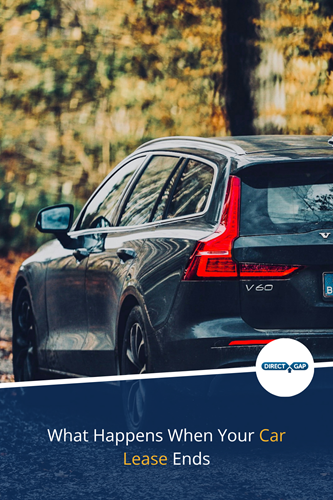

Understand Your Options And Obligations At The End Of Your Car Lease
Leasing a car is refreshingly simple while you’re in the middle of the agreement. You pay a fixed monthly amount, enjoy driving a newer vehicle, and avoid many of the long-term worries that come with ownership.
Then the end-of-lease deadline nears. Before you know it, there are emails about inspections, mileage limits, collection dates, and possible charges.
If it’s your first lease (or ‘Personal Contract Hire (PCH) Agreement’ as it’s also known), things can be unclear, even though the process itself is generally straightforward.
Although most lease returns go smoothly, some problems can happen, especially when drivers leave everything until the final week or misunderstand what’s expected when handing the car back.
So, what actually happens when your car lease ends? And what options do you have once the contract finishes? Here’s everything you need to know.
What Happens When Your Car Lease Ends?
Understand Your Position With Leasing
With Personal Contract Hire (PCH), you’re essentially paying to use the vehicle over an agreed period and mileage. You’re not building ownership equity in the car.
At the end of the lease, the vehicle goes back to the finance company. This differs from other car financing options, such as PCP (Personal Contract Purchase) or HP (Hire Purchase) where, provided you’ve covered the whole of the outstanding balance, you ultimately own the car.
That’s one of the reasons monthly lease payments are often lower. You’re only covering the expected depreciation during your agreement term, plus a few associated costs and interest.
For many people, that flexibility is the appeal.
Leasing continues to grow in popularity across the UK, particularly among drivers who prefer predictable monthly motoring costs and regular access to newer cars.
When Does The Lease-End Process Start?
Most leasing companies contact drivers around three to six months before the agreement officially ends. That gives enough time to:
- Arrange collection dates
- Discuss replacement vehicles
- Review mileage usage
- Explain inspection procedures
- Organise any paperwork
If you’re planning to move straight into another lease, starting early matters.
Lead times for certain vehicles, particularly hybrids and EVs, can still fluctuate. The Society of Motor Manufacturers and Traders (SMMT) continues to report varying delivery times depending on vehicle type and manufacturer supply.
Leaving your next lease too late could mean a temporary gap without a vehicle.
Pro tip: Many finance companies and dealerships want your repeat business. Be open with your current lease provider if you’re intending to renew, especially around the 6-month (before end) mark. They may have some offers or incentives to keep you with them.
The Most Common Outcome: Returning The Car
With PCH, returning the vehicle at the end of the contract is the standard process.
The finance company or leasing provider arranges an inspection and collection. Once the car is returned and the agreement is complete, your monthly payments end.
In many cases, that’s the entire process. Still, there are a few areas worth paying close attention to before collection day arrives.
Mileage Limits Can Affect Your Final Bill
Every lease agreement includes an agreed mileage allowance. That allowance helps the finance company estimate the car’s future value at the end of the contract. The higher the mileage, the lower the vehicle’s resale value tends to be.
That’s why, when you’re shopping for lease cars, the higher the estimated mileage, the higher the monthly cost, as finance providers ‘recoup’ the depreciation.
If you exceed the agreed mileage, excess mileage charges normally apply.
Sometimes the charge is relatively modest. Other times, especially with premium cars or EVs, it can become fairly expensive.
Here’s a typical example:
- 2,000 excess miles at 10p per mile = £200
- 5,000 excess miles at 18p per mile = £900
It’s worth checking your mileage position several months before the lease ends rather than waiting until collection week. Some providers allow mileage adjustments during the agreement, which can occasionally work out cheaper than paying excess charges afterwards.
Understanding Fair Wear And Tear
This is probably the part drivers worry about most.
The good news is that leasing companies fully expect cars to show signs of normal use. A vehicle that’s been driven daily for three or four years obviously won’t look factory-new.
That’s where fair wear and tear guidelines come in. The BVRLA publishes industry-recognised standards that set out acceptable conditions for returned lease vehicles.
These guidelines look at things like:
- Small paint chips
- Light interior wear
- Minor scratches
- Tyre condition
- Alloy wheel marks
- Windscreen damage
Essentially, you should think about what you would deem acceptable if you were buying the car used. A few small stone chips on the bonnet would be acceptable. Deep scratches across multiple panels, for example, would probably incur a charge.
Cracked trim, heavily damaged alloys, or missing keys can also lead to additional costs.
One thing many drivers don’t realise is that small cosmetic repairs carried out privately before collection are often cheaper than end-of-contract repair invoices.
Consider Tyre & Alloy Insurance and Scratch & Dent Cover (often referred to as Smart Care) if you want extra peace of mind during your lease. These additional insurance policies can provide cover for damage that may otherwise incur a cost at the end-of-lease inspection.
Should You Repair Damage Before Returning The Car?
Usually, yes, if the repair cost makes sense. Smart repair services can often fix minor dents, bumper scuffs, and alloy wheel damage for far less than the charges applied after inspection.
That said, not every mark needs attention.
Trying to make the car absolutely perfect can become unnecessarily expensive, particularly if the damage already falls within accepted fair wear and tear standards.
A practical approach is normally best:
- Repair obvious damage
- Replace missing items
- Ensure tyres meet legal standards
- Clean the vehicle properly
- Leave minor acceptable wear alone
Some drivers also choose to arrange an independent pre-inspection a few weeks before collection for peace of mind.
Read More: Preparing Your Car For An End-Of-Lease Inspection.
The Collection & Inspection Process
The inspection itself is usually fairly quick and straightforward.
An assessor checks the vehicle against the leasing company’s return standards and records the condition of areas such as:
- Bodywork
- Wheels and tyres
- Interior condition
- Glass and mirrors
- Warning lights
- Service history
- Vehicle accessories
Photos are commonly taken during the process.
If the vehicle meets the agreement standards and mileage limits, the lease ends without further charges beyond any final payment already due.
If there’s damage outside fair wear and tear guidelines, you’ll normally receive an invoice afterwards. On the day, the inspector will typically relay the areas of concern.
Most returns are routine. Serious issues are relatively uncommon.
Managing Delays On Your Next Lease Car
This has become more common over the last few years.
Although supply chains have improved in many areas, some manufacturers still experience delays on specific models and trims.
If your replacement vehicle isn’t arriving before your current lease ends, you may have a few options:
- Request a short lease extension
- Move into a temporary vehicle
- Arrange short-term rental
- Return the car and wait for delivery
Lease extensions aren’t always guaranteed, but many providers will consider them if requested early enough. Again, timing matters. Leaving the conversation until the final week limits your options considerably.
Remember too that you’re not obliged to lease your next car from your current provider. You can treat the two as separate entities, which could ease waiting times for certain cars.
Can You Keep The Car At The End Of A Lease?
Usually not with PCH.
Unlike some other finance agreements, Personal Contract Hire is designed around returning the vehicle at the end of the term.
Occasionally, a finance company may offer the option to purchase the car separately after return, but this isn’t normally built into the agreement structure and shouldn’t be assumed.
For most drivers, the end of the lease simply means:
- Return the car
- Start another lease
- Move on to a different vehicle arrangement
For your next car, if owning the car outright is important to you, research Hire Purchase, where you simply make fixed monthly repayments and own the vehicle at the end of the term, or PCP, where you make fixed payments, plus a final ‘baloon payment’ to own the car.
Read More: Lease Vs PCP | Which Is Better?
Most Drivers Choose To Lease Again
For people who enjoy driving newer vehicles, leasing again often feels like the easiest transition.
You avoid concerns around:
- Long-term depreciation
- Selling privately
- Unexpected ageing-car repairs
- Falling resale values
- Outdated technology
This is particularly relevant in the electric vehicle market, where technology continues to evolve quickly. Drivers who leased an EV several years ago may now find newer models offer significantly better battery range, faster charging, and improved software systems for similar monthly costs.
The growth of the UK’s charging infrastructure through networks tracked by Zapmap has also made EV leasing more practical for many households than it was only a few years ago.
Don’t Forget Servicing And Paperwork
Before returning the vehicle, make sure:
- The service history is complete
- MOT requirements have been met
- Both keys are present
- Charging cables are included for EVs
- The handbook pack is available
- Warning lights are resolved
Missing paperwork or skipped servicing can sometimes trigger additional charges.
This is one of those areas people overlook simply because the car has been reliable throughout the lease.
Read More: Common Car Maintenance Mistakes (That You Need To Avoid).
Consider Lease Gap Insurance For The Future
Gap insurance is something many leased vehicle drivers consider, especially during the early years of the agreement.
If the car is written off or stolen, your motor insurer normally pays the market value at the time of the claim. Depending on depreciation and your remaining lease balance, that payout may not fully cover the finance settlement figure.
Gap insurance is designed to help cover the shortfall between the insurer payout and the amount owed under the lease agreement, depending on the policy type.
For leased vehicles, contract hire gap insurance is commonly discussed because it’s specifically designed around PCH agreements.
Read More: Do I Need Gap Insurance On A Lease Car?
Our Final Word
The end of a car lease is rarely as complicated as people fear.
With Personal Contract Hire, the process is generally simple:
- Prepare the car properly
- Stay within mileage where possible
- Understand fair wear and tear standards
- Return the vehicle
- Decide what comes next
Most problems arise from a lack of preparation rather than the lease itself.
Checking your agreement early, reviewing the vehicle condition honestly, and planning ahead for your next car can make the final few months surprisingly stress-free. And once you’ve been through the process once, it usually feels much more straightforward the second time around.
We hope we’ve given you some insight into the end-of-lease inspection process and, hopefully, made things a little less worrying.
If we have, why not share this with your network or friends!
Pin It!