
Leasing a car can be an attractive option if you like driving a newer vehicle without the commitment of buying it outright. With fixed monthly payments and the option to change your car every few years, it's easy to see why Personal Contract Hire (PCH) is a popular choice.
However, there's one thing worth considering before you collect the keys: what happens if your leased car is stolen or written off before your agreement ends?
Your comprehensive motor insurance will usually pay out based on the vehicle's market value at the time of the claim. Unfortunately, that isn't always enough to settle the amount owed to your leasing company.
This is where Lease Gap Insurance could help. But do you actually need it, and is it worth the additional cost?
1 Minute Read: Do You Need Gap Insurance on a Lease Car?
No, Gap Insurance isn't a legal requirement when leasing a car. However, depending on your lease agreement, it could provide useful financial protection if your vehicle is stolen or declared a total loss.
- Your motor insurance may not cover everything. The insurer's settlement could be less than the amount required to settle your lease agreement.
- Lease Gap Insurance can help cover the difference. An eligible policy may pay the qualifying shortfall (subject to its terms and conditions).
- It's not compulsory. Whether you need it depends on your lease agreement, existing insurance and financial circumstances.
- It's worth comparing your options. Cover, exclusions and premiums vary, so make sure any policy is suitable for your agreement.
The short answer? If you'd struggle to pay an unexpected shortfall on a car you can no longer drive, Lease Gap Insurance is worth considering. If your existing cover already provides suitable protection, or you're comfortable meeting the potential cost yourself, you may decide you don't need it.
Do You Need Gap Insurance on a Leased Car?
Although you don't legally need Gap Insurance on a leased car, it's worth understanding what your financial responsibilities would be if the vehicle were written off.
When you lease a car, you don't own it. You're paying to use the vehicle for an agreed period, usually between two and four years, before handing it back to the leasing company.
If the car is stolen and not recovered, or damaged beyond economic repair, your motor insurer will generally offer a settlement based on its market value at the time of the incident.
Depending on your agreement, you could still have an outstanding amount to pay the leasing company after that settlement has been made.
Lease Gap Insurance is designed to help protect against this type of financial shortfall, typically covering the difference.
Of course, not every written-off lease car will leave you with an outstanding balance (although it's worth noting that new cars depreciate more quickly, meaning a higher potential difference during the first few years from new, the usual time when cars are leased). That's why it's worth checking your agreement and understanding what cover you already have before deciding whether additional insurance is right for you.
What Is Lease Gap Insurance?
Lease Gap Insurance, also known as Contract Hire Gap Insurance or PCH Gap Insurance, is a type of insurance designed for vehicles obtained through a leasing or contract hire agreement.
Unlike somebody purchasing a car outright, a lease customer generally isn't concerned about recovering the original purchase price of the vehicle.
Instead, the main financial risk is that the amount paid by their motor insurer might not be enough to settle their obligations to the leasing company.
Lease Gap Insurance is designed to cover the difference between these amounts following a total loss.
It's important to remember that Lease Gap Insurance isn't a replacement for comprehensive motor insurance. It works alongside your existing motor policy and provides additional protection in specific circumstances.
For a useful independent explanation, MoneyHelper's guide to Gap Insurance explains the different types of cover available, including Contract Hire Gap Insurance for leased vehicles.
How Does Lease Gap Insurance Work?
The easiest way to understand Lease Gap Insurance is to look at what could happen if your vehicle were declared a total loss.
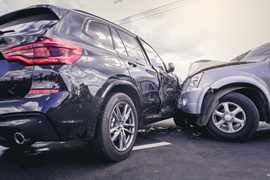
Let's say you've leased a new car and, partway through the agreement, you're involved in an accident. Unfortunately, the damage is so extensive that your motor insurer decides the vehicle isn't economical to repair and decides to write it off.
Your insurer offers a settlement based on the car's market value. However, the leasing company calculates that a higher amount is required to settle your agreement.
Here's how that could look:
|
Example lease write-off |
Amount |
|
Outstanding lease settlement |
£18,500 |
|
Motor insurer's settlement |
£14,000 |
|
Potential shortfall |
£4,500 |
Without Gap Insurance, you could be responsible for paying that £4,500 difference yourself, depending on your lease agreement.
With an eligible Lease Gap policy, the qualifying shortfall could be covered, subject to policy limits, terms and exclusions.
(The figures above are illustrative. Actual settlements depend on your circumstances and agreement.)
What Happens If Your Lease Car Is Written Off?
Generally, the process works as follows:
- Your motor insurer assesses the vehicle and confirms whether it's a total loss.
- The leasing company calculates the amount required to settle the agreement.
- Your motor insurer determines how much it will pay under your policy.
- If there's a difference between the insurer's settlement and the qualifying lease settlement amount, you may have a shortfall to pay.
- If you have suitable Lease Gap Insurance, you can make a claim for the eligible shortfall in accordance with your policy terms.
Some policies (like ours!) also include additional benefits, such as a contribution towards your motor insurance excess or protection for your initial rental payment.
These benefits vary between providers, so it's worth checking exactly what's included. You can see the cover available, along with the relevant terms and exclusions, on our Lease & Contract Hire Gap Insurance page.
Is Gap Insurance Compulsory on a Lease Car?
No. Gap Insurance isn't a legal requirement when leasing a vehicle in the UK.
However, you will need suitable motor insurance to drive the vehicle legally. As GOV.UK explains in its vehicle insurance guidance, third-party insurance is the legal minimum, although most leasing companies require fully comprehensive cover as part of their agreement.
It's important to understand the difference between the two types of insurance.
Comprehensive motor insurance covers insured incidents involving your vehicle, including accidental damage, theft, and other risks specified in your policy. Essentially, normal, 'day-to-day' driving.
Lease Gap Insurance is separate protection designed to help with any financial shortfall if your leased vehicle is declared a total loss.
Contrary to popular belief, you don't have to purchase through a dealership. You can buy gap insurance privately, provided the policy meets your needs and is appropriate for your lease agreement.
Before purchasing, check your leasing company's requirements and whether your existing insurance already includes any relevant protection.
What Happens If Your Leased Car Is Written Off Without Gap Insurance?
If your leased car is written off and you don't have Gap Insurance, it doesn't automatically mean you'll be left with a large bill.
The outcome depends on your motor insurer's settlement and the terms of your lease agreement.
If the insurer's payment is enough to satisfy the leasing company's settlement requirements, there may be no financial shortfall.
However, if the leasing company requires more than your insurer pays, you could be responsible for the difference.
It's worth remembering that the leasing company's total-loss settlement isn't necessarily the same as adding together every remaining monthly payment. The amount will be calculated according to your particular agreement.
If you're unsure how your leasing company would handle a total loss, ask them to explain the settlement terms before deciding whether Gap Insurance would be worthwhile.
Read More: It's worth understanding car depreciation to better understand how your settlement figure could be affected by the vehicle's value. Take a look at our Car Depreciation Calculator for an overview.
Is Gap Insurance Worth It on a Lease Car?
For many drivers, the appeal of leasing is knowing roughly what their car will cost each month. An unexpected bill following a total loss can quickly change that.
Lease Gap Insurance offers an additional level of protection against this particular financial risk, but that doesn't mean it's essential for everyone.
It may be worth considering if you're concerned about having to pay a potentially substantial shortfall, particularly if you don't have savings readily available to cover it.
On the other hand, if your lease agreement and existing insurance already provide suitable protection, or you're comfortable paying any potential shortfall yourself, you may decide that an additional policy isn't necessary.
When Might Lease Gap Insurance Be Worth Considering?
Lease Gap Insurance may be particularly attractive if:
- You would find it difficult to pay an unexpected lease settlement shortfall.
- Your lease agreement could leave you responsible for a difference between the motor insurer's payment and the settlement amount.
- You prefer to protect yourself against an unexpected financial liability rather than rely on savings.
- The cost of suitable cover is reasonable compared with the financial risk you're looking to protect against.
When Might You Not Need Lease Gap Insurance?
You might reasonably decide against purchasing additional cover if:
- Your existing insurance or lease agreement already provides suitable protection.
- You're comfortable paying a potential shortfall yourself.
- The policy doesn't provide the protection you need.
- The cost of cover outweighs the benefit for your circumstances.
Ultimately, whether Lease Gap Insurance is worth it comes down to your individual circumstances. The important thing is to understand what could happen if your leased car were written off, rather than assuming your comprehensive motor insurance would necessarily cover every outstanding cost.
It's also worth comparing the cover you're getting with the premium you're paying. The Financial Conduct Authority requires providers to offer fair value, but it's important to check that any policy is suitable for your needs.
How Much Does Gap Insurance Cost on a Leased Car?
The cost of Lease Gap Insurance depends on factors such as your vehicle, the length of cover required and the policy you choose. Prices vary, but getting a quote online is free and can be done in just a few minutes.
If you're interested, you can get a Gap Insurance Quote Online, with cover available for two, three or four years. There's no obligation and, if you prefer, you can see your quote without any personal details (we just need your car make, model and some other information).
However, price shouldn't be the only consideration. Two policies with similar premiums might have different exclusions, claim limits or additional benefits.
Before buying, make sure the cover is suitable for your finance agreement and that you understand what would happen if your vehicle were declared a total loss. It's also worth checking online reviews, particularly about aftercare. You can see ours, here: Trustpilot Reviews.
Do You Need Lease Gap Insurance in the First Year?
You may have heard that some comprehensive motor insurance policies provide new-car replacement cover during the first 12 months.
Under certain policies, an insurer may offer to replace a new vehicle rather than simply paying its market value following an eligible total loss.
However, this benefit isn't universal, and the conditions can differ considerably between insurers.
Importantly, new-car replacement provisions may not apply to leased vehicles in the same way they apply to cars purchased outright.
Even where replacement cover is available, it's worth checking whether it satisfies the requirements of your leasing company and whether any outstanding financial obligations could remain.
Before deciding to delay Gap Insurance, check the relevant terms with both your motor insurer and leasing company.
It's also worth checking how long you have to arrange Gap Insurance after taking delivery of your vehicle. Most policies have a limited purchase window (usually 180 days from the start of your lease), so leaving the decision too long could affect your eligibility.
Should I Get a Car on Lease or PCP?
Although leasing and Personal Contract Purchase (PCP) can look similar, there are some important differences.
With a lease, usually referred to as Personal Contract Hire (PCH), you're paying to use the car for an agreed period. At the end of the agreement, you normally return it to the leasing company.
With PCP, you make monthly payments and usually have the option to purchase the vehicle at the end by paying the optional final payment.
Both options can provide access to a newer car without paying the full purchase price upfront, but the financial arrangements are different.
It's important to understand when choosing Gap Insurance because the type of cover suitable for a lease agreement may not be appropriate for PCP.
If you're still deciding how to finance your next vehicle, it's worth comparing the overall costs and obligations rather than focusing solely on monthly payments.
Read More: Lease Vs PCP | Which Is Better?
Is Lease Gap Insurance Different from PCP Gap Insurance?
Yes. Although both products are designed to provide protection following an eligible total loss, they're intended for different finance arrangements.
With Lease Gap Insurance, the main concern is usually the difference between your motor insurer's settlement and the qualifying amount required to settle your lease.
With PCP, depending on the policy selected, Gap Insurance may be designed to cover an eligible finance shortfall or provide protection linked to the original invoice price or replacement value.
Lease & Contract Hire Gap Insurance is designed for eligible lease and contract hire vehicles. It isn't suitable for vehicles purchased using PCP or Hire Purchase (HP).
If your vehicle is financed through PCP or HP, you may wish to explore Return to Invoice Gap Insurance or check which Gap Insurance policy is right for you.
Choosing the right type of cover is important, so always check that the policy is suitable for your finance arrangement before purchasing.
If I Lease a Car, Do I Need Insurance?
Yes. You'll need appropriate motor insurance for your leased vehicle.
In the UK, the legal minimum for driving on public roads is third-party motor insurance. However, most leasing companies require fully comprehensive insurance as part of their agreement.
Comprehensive motor insurance usually provides protection against insured damage to your vehicle, including accidents, fire and theft.
However, if the car is written off, your insurer will generally calculate its settlement based on the vehicle's market value at the time of the incident.
That amount might not cover everything owed under your lease agreement, which is why some drivers choose additional Gap Insurance.
It's also worth checking whether insurance is included in your lease package. Some leasing arrangements include motor insurance, servicing or maintenance, while others require you to arrange these separately.
How Do You Choose Lease Gap Insurance?
If you've decided that additional cover would be worthwhile, there are a few things to check before purchasing.
Firstly, make sure the policy is designed for your particular finance agreement. Lease Gap Insurance and other types of Gap Insurance aren't necessarily interchangeable.
Next, check how the outstanding settlement amount is calculated, along with any exclusions or limits that could affect a claim.
You should also consider the policy duration. Ideally, you'll want cover that suits the length of your lease agreement.
Finally, look at any additional benefits, such as motor insurance excess contributions or initial rental protection.
The most important thing is to understand exactly what you're buying and make sure it provides the protection you need.
Taking a little time to read and understand the policy documents before buying could help avoid misunderstandings if you ever need to make a claim. If you're still confused, speak to our team! You can always call us (using the number at the top of the page).
Frequently Asked Questions About Lease Gap Insurance
Does a Car Lease Include Gap Insurance?
Usually, Gap Insurance isn't automatically included with a lease agreement. Some leasing companies may offer it as an optional extra, while others may not provide it at all.
Check your lease documentation to see what protection is already included before purchasing a separate policy.
Can I Buy Lease Gap Insurance Separately from the Leasing Company?
Yes, you can generally purchase suitable Lease Gap Insurance from an independent provider like Direct Gap, rather than through the company supplying your vehicle. Often, it provides the same, or better cover at a much better price.
Does Lease Gap Insurance Cover Theft?
In most cases, yes, if the car is written off (not recovered).
Lease Gap Insurance may provide protection where your vehicle is stolen and not recovered, and your motor insurer accepts the incident as a total loss.
Any payment will depend on the qualifying shortfall and the terms and exclusions of your Gap Insurance policy.
Does Lease Gap Insurance Cover My Monthly Payments?
Lease Gap Insurance isn't designed to cover your ordinary monthly rental payments while you're using the vehicle.
Its purpose is to provide protection against an eligible financial shortfall following a total loss.
It also isn't a substitute for payment protection insurance if you're unable to meet your monthly commitments due to illness, unemployment or other changes in your financial circumstances.
Do I Need Gap Insurance If My Lease Car Is Fully Comprehensive?
Comprehensive motor insurance doesn't necessarily remove the risk of an outstanding lease settlement shortfall. As we've discussed, motor insurance and Gap Insurance provide two different types of protection.
Does Lease Gap Insurance Cover Damage When I Return the Car?
No. Lease Gap Insurance is designed for eligible total-loss situations, not ordinary end-of-lease damage charges.
Scratches, dents, alloy wheel damage and excess mileage charges are separate matters and aren't covered simply because you have Lease Gap Insurance. If you're concerned about ongoing cosmetic damage, consider Scratch & Dent Insurance, which provides ongoing protection without having to claim on your motor insurance.
Read More: Minimise your potential end-of-lease charges with our guide to Preparing Your Car For An End-Of-Lease Inspection.
Final Thoughts: Do You Really Need Gap Insurance on a Lease Car?
Gap Insurance isn't compulsory when leasing a car, and it won't be the right choice for everyone.
However, if your vehicle is stolen or written off, the amount paid by your motor insurer may not be enough to settle your lease agreement. Depending on the circumstances, that could leave you with an unexpected bill for a vehicle you can no longer use.
Lease Gap Insurance is designed to provide additional protection against this risk.
Before making a decision, we'd recommend checking your lease agreement, understanding what your motor insurance covers and considering whether you could comfortably pay a potential shortfall yourself.
If you'd prefer the reassurance of additional protection, you can explore our Lease & Contract Hire Gap Insurance to see what's covered and whether it's suitable for your circumstances.
We hope this guide has cleared things up, if you need any more help, feel free to contact us! Drop Luke a message on our social media channels (you can find them at the bottom of this page) and he'll answer anything else you may need to know.
Pin It!